
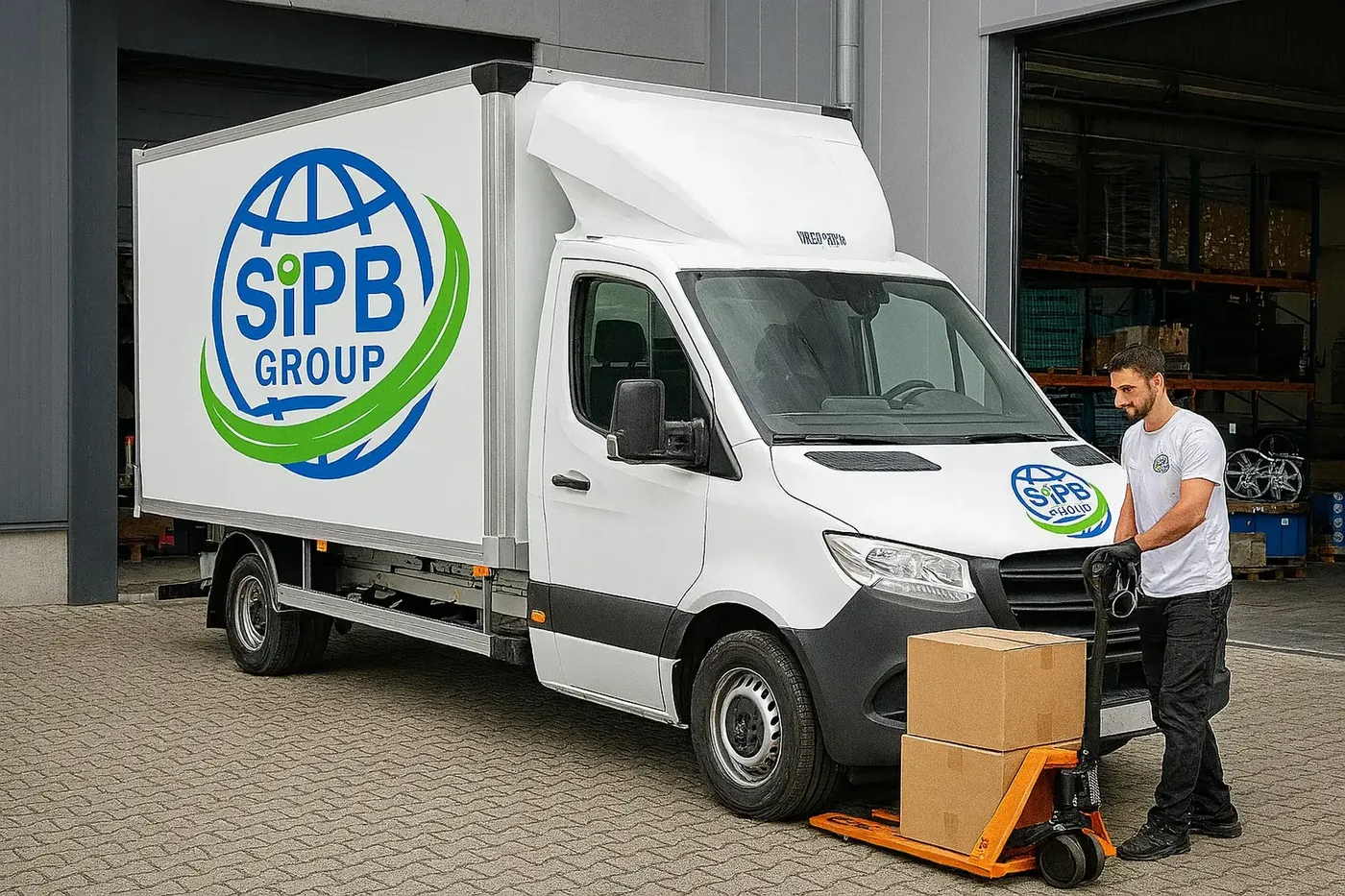
Cabotage offers carriers additional opportunities, but is at the same time one of the most strictly controlled aspects of road transport in the EU. Particularly in transport up to 3.5 tonnes, many violations occur here due to unclear rules and inadequate record-keeping.
What is cabotage?
Cabotage means carrying out domestic transport in another EU country immediately after an international trip.
It is permitted, but only under strict conditions.
The most important cabotage rules
To carry out cabotage legally, several requirements must be met.
Core conditions:
- prior international transport order
- limited number of cabotage trips
- execution within established timeframes
Deviations almost always lead to fines.
Common mistakes in practice
Most offenses do not arise intentionally, but from ignorance.
Typical mistakes:
- missing proof of the international ride
- exceeding time limits
- incorrect sequence of transport orders
Without clear registration, compliance is virtually impossible.
Fines and sanctions
Fines for illegal cabotage vary by country but can run into thousands of euros. In some cases, the vehicle is temporarily impounded.
How to limit risks?
- accurate trip recording
- correct and complete documentation
- use of digital planning and tracking systems
Summary
Cabotage with a van up to 3.5 tonnes can be profitable, but only with strict adherence to the rules. Without control and oversight, it quickly turns into a financial risk.


0 Comments